Endometriosis, Pelvic Pain and the Pelvic Floor: Why Treatment Is About More Than the Lesions
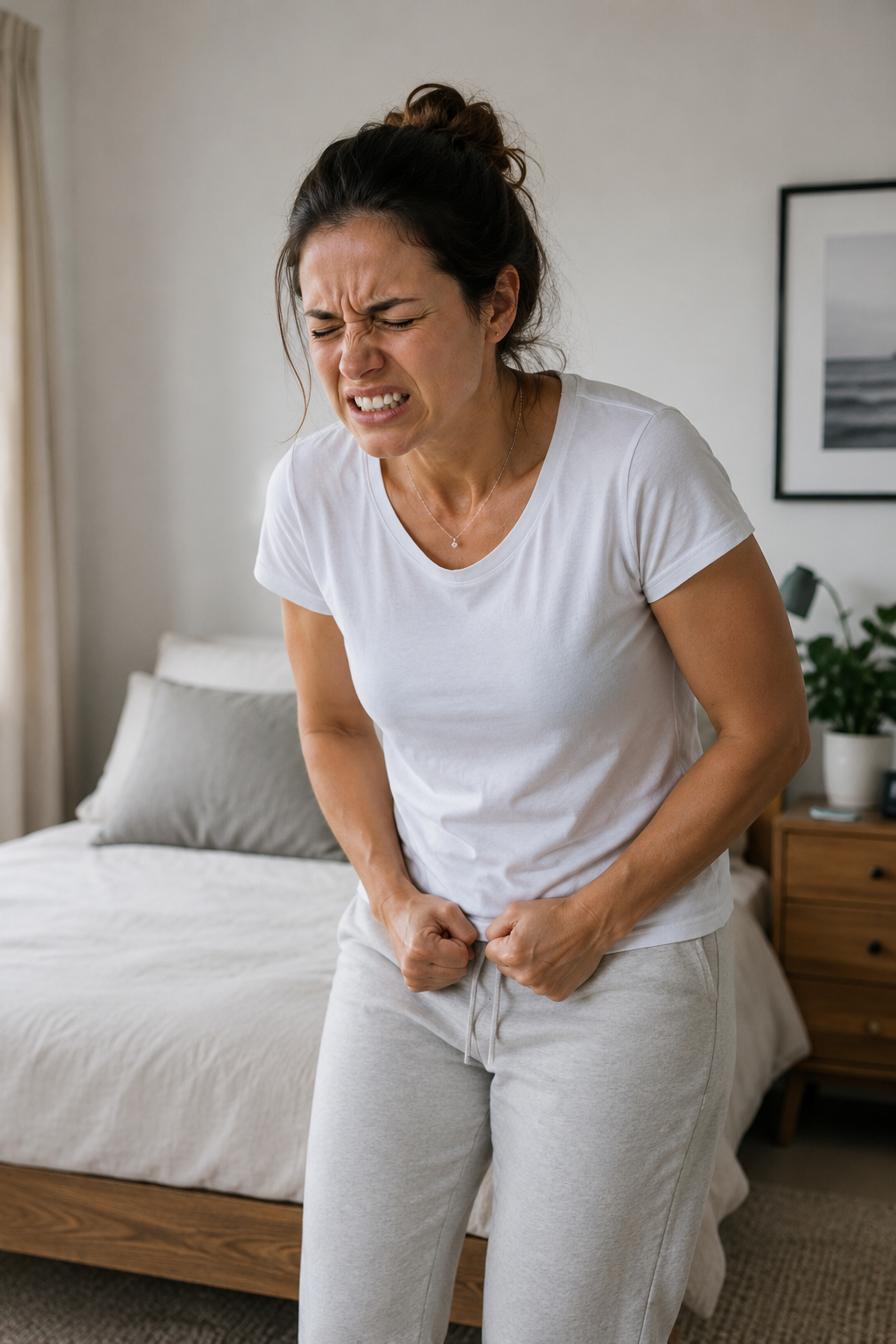
Endometriosis can affect much more than the reproductive organs. After months or years of pelvic pain, the pelvic floor muscles, bowel, bladder and nervous system can begin adapting to pain, creating protective patterns that may contribute to painful sex, constipation, bloating and ongoing pelvic tension.
For some women, the pelvic floor becomes hypertonic or “high tone”—strong, but unable to fully relax.
Pelvic health physiotherapy can complement medical endometriosis treatment by addressing these secondary changes through pelvic floor relaxation, breathing, mobility, bowel strategies, pain education and gentle rehabilitation.
Sometimes recovery isn’t about working harder. It’s about helping your body learn how to let go.

When relaxing is harder than strengthening…
Hypertonic Pelvic Floor (Tight Pelvic Floor): Causes, Symptoms and Treatment
A hypertonic pelvic floor, also known as a high-tone or tight pelvic floor, occurs when the pelvic floor muscles struggle to relax. Instead of switching on and off when needed, these muscles remain overactive, which can lead to pelvic pain, painful intercourse, difficulty inserting tampons, bladder urgency, constipation, tailbone pain and ongoing tension through the hips and lower back.
Many women are surprised to learn that pelvic floor problems are not always caused by weakness. In fact, muscles that are constantly gripping often become painful, fatigued and less effective. Common causes include endometriosis, childbirth, pelvic surgery, chronic constipation, anxiety, previous trauma and prolonged muscle guarding after pain or injury.
At Matremaga Physiotherapy, we take a whole-body approach to pelvic floor relaxation. Treatment may include breathing retraining, manual therapy, hip mobility exercises, pelvic floor down-training, vaginal dilator therapy and education tailored to your individual needs.
Read our guide, "When Relaxing Is Harder Than Strengthening," to learn why relaxing your pelvic floor may be the key to reducing pain and restoring confidence.

My prolapse is not too bad, should I just wait?….
Pelvic organ prolapse doesn't always mean you need to stop running, lifting weights or doing the activities you love. In this article, Women's Health Physiotherapist Melinda Sandon explores why early intervention, movement education and preventative pelvic health care can have a lasting impact on lifelong wellbeing. Learn how pelvic floor rehabilitation, strength training, pessary support, hormonal health and pressure management can help preserve confidence, reduce symptoms and keep you active through motherhood, perimenopause and beyond. Discover why prevention isn't about limiting your life—it's about protecting the lifestyle you want to keep living.
So now I never trust a fart….
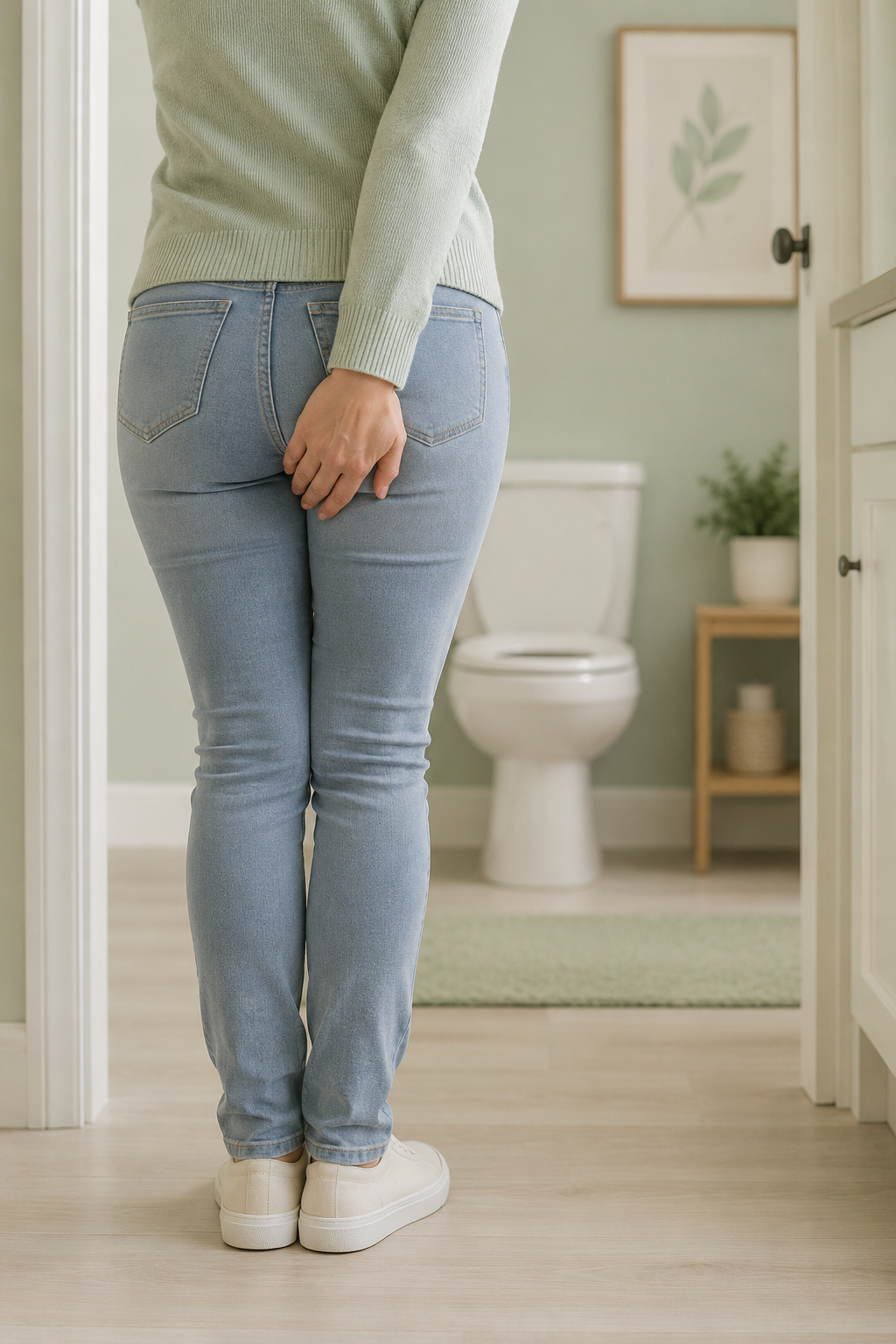
Many women living with bowel urgency or accidental leakage describe the same experience: the physical event may last only moments, but the fear can linger for years. This article explores the hidden emotional impact of faecal incontinence, including the anxiety, hypervigilance and loss of confidence that often accompany bowel control concerns. Learn why bowel urgency is not always a simple muscle weakness problem, how the bowel, pelvic floor and nervous system work together, and why effective treatment is about more than continence alone. Discover how pelvic health physiotherapy can help women regain confidence, freedom and trust in their bodies again.